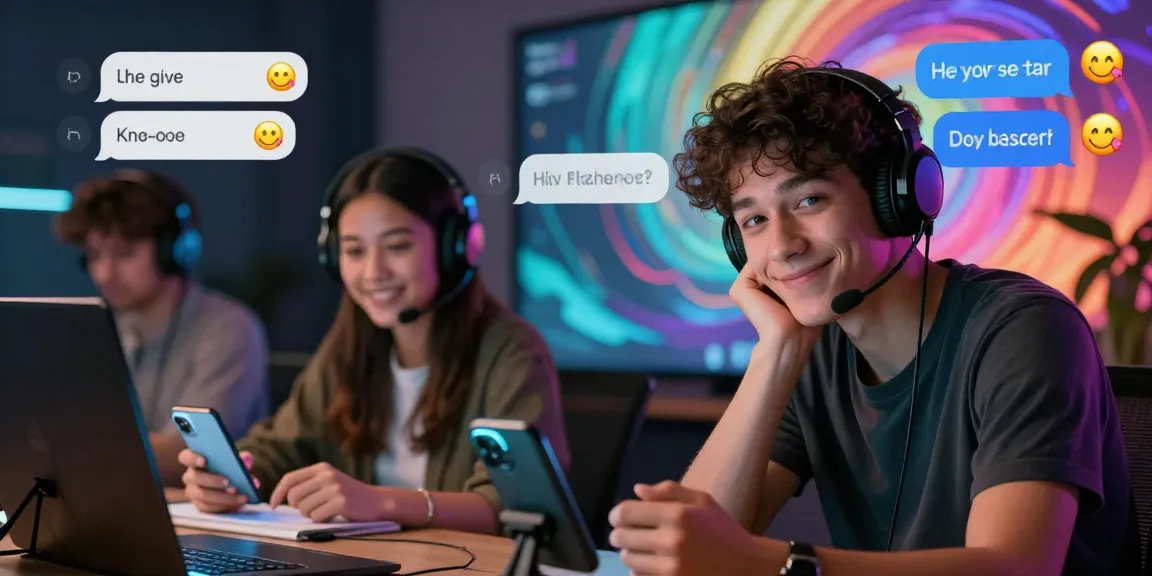
Engaging NSFW chat scene with diverse characters in a playful virtual environment.

How to Automate Your NSFW Chat Experience in 2026: Effective Strategies for Engaging Conversations

Understanding the Landscape of NSFW Chat Platforms

As digital communication continues to evolve, the demand for nuanced and personalized experiences has given rise to the emergence of Not-Safe-For-Work (NSFW) chat platforms. These interactive environments allow users to engage in intimate and adult-themed conversations with AI characters, offering a unique blend of entertainment and emotional connection. When exploring options, nsfw chat platforms provide comprehensive insights into how these technologies operate, their user base, and the psychological impacts they may have.

What is NSFW Chat and Who Uses It?

NSFW chat refers to conversations that contain adult themes, including sexual content, intimacy, and other subjects typically considered inappropriate for a general audience. These platforms cater to a diverse group of users, including individuals seeking companionship, those exploring their sexuality, or fans of role-playing games. Users can be as varied as people in long-distance relationships looking for support or individuals simply seeking a stimulating conversation away from daily realities.

Key Features and Functionalities of Popular Platforms

Platforms targeting the NSFW chat niche often include several key features designed to enhance user experiences. These may encompass:

  • Customizability: Users can create and tailor their AI characters, adjusting personality traits, and physical attributes.
  • Realistic Engagement: Advanced algorithms use natural language processing (NLP) to facilitate fluid conversations that feel authentic.
  • Privacy Controls: Many platforms emphasize user confidentiality with options to remain anonymous.

The Legal and Ethical Considerations in NSFW Chats

The NSFW chat landscape poses unique legal and ethical challenges. Issues surrounding consent, data privacy, and age verification are paramount. The industry must navigate these areas carefully to avoid legal repercussions while ensuring that the user experience remains safe and enjoyable. Platforms are increasingly called upon to implement robust measures to protect vulnerable users while fostering a community that prioritizes respect and consent.

How to Choose the Right NSFW Chat Tools for Your Needs

Choosing the right NSFW chat platform requires careful consideration of personal preferences and security needs. With numerous options available, users should take the time to explore various tools to find the right fit.

Evaluating Platform Security and Privacy Features

One of the most pressing concerns for users engaging in NSFW chat is privacy. Opting for platforms that offer encryption, data protection policies, and transparent user agreements can significantly enhance security. Users should also consider platforms that provide features to block or report abusive behavior, ensuring a safer experience.

Customization Options for Personalizing Your Experience

Customization enhances the appeal of NSFW chat platforms. Options allowing users to personalize avatars, adjust dialogue styles, or select scenarios can lead to richer interactions. The ability to shape and influence the AI’s behavior can increase user satisfaction and engagement, making the experience feel more authentic.

Comparative Analysis of Leading NSFW Chat Applications

When analyzing different NSFW chat applications, it’s essential to consider factors such as user interface, available features, and user reviews. Popular platforms often highlight unique functionalities that cater to specific audiences, such as role-playing enthusiasts or those seeking emotional support through intimate conversations. A thorough comparison can provide valuable insights into the best platform for individual needs.

Crafting Engaging Conversations in NSFW Chats

Engagement in NSFW chats is not solely driven by the platform’s functionality; it relies on the quality of the interactions. Understanding techniques to create captivating conversations can significantly enhance user experience.

Techniques for Building Rapport with Virtual Characters

Building rapport in NSFW chat involves using personalized prompts and encouraging storytelling. Sharing experiences and emotions can help make conversations feel more genuine. The use of humor and light-hearted banter can also break the ice and foster a more relaxed atmosphere.

Use of Emojis and Media in Enhancing Interaction

Incorporating emojis, GIFs, or multimedia content into conversations can add layers of expression and enhance engagement. Visual elements can evoke emotions and create a more immersive experience for users, making interactions with AI characters feel more dynamic and interactive.

Understanding User Behavior and Preferences

Recognizing patterns in user behavior can inform improvements in NSFW chat experiences. Platforms can analyze interaction data to tailor their services better, ensuring they meet user expectations and preferences, thereby fostering long-term engagement and satisfaction.

Integrating AI and Automation in Your NSFW Chat Practice

AI technology plays a crucial role in enhancing NSFW chat platforms. The automation of certain interactions can streamline user experiences and create a more seamless engagement process.

Benefits of Using AI for Personalized Interactions

Artificial intelligence can revolutionize user interactions by providing tailored responses based on individual preferences. By learning from previous conversations, AI can adapt to user preferences over time, leading to a more personalized experience that feels increasingly authentic.

Streamlining User Engagement Through Chatbots

Chatbots are integral to the NSFW chat landscape, capable of providing instant responses and maintaining continuous engagement. They can facilitate interactions even when human moderators are unavailable, ensuring that users feel connected at all times.

Future of AI in NSFW Chat Applications

As AI technology advances, the future of NSFW chat applications looks promising. Innovations in natural language processing and machine learning will likely lead to even more sophisticated interactions, allowing AI characters to engage in increasingly realistic and meaningful conversations. The integration of AR and VR technologies may further enhance the immersive experience of NSFW chats.

Staying Ahead: Trends in NSFW Chat for 2026

As the industry evolves, staying informed about upcoming trends is crucial for both users and developers of NSFW chat platforms. Understanding these trends can aid in adapting to the ever-changing landscape of digital communication.

Emerging Technologies Shaping the Future of NSFW Interaction

Technological innovations, particularly in AI and virtual environments, are set to reshape NSFW interactions. Enhanced algorithms will allow for more nuanced conversations, while AR and VR may provide entirely new dimensions to user experiences, making them more immersive than ever.

User Safety and Community Guidelines Trends

As user awareness around safety and ethical engagement grows, platforms are increasingly focusing on creating robust community guidelines. These guidelines are essential for ensuring safe and respectful interactions in NSFW environments, emphasizing the importance of consent and mutual respect.

Predictions for NSFW Chat Platforms Beyond 2026

Looking ahead, NSFW chat platforms may increasingly integrate AI advancements to create hyper-personalized experiences. The emphasis on user agency will likely lead to more choices in character customization, narrative direction, and interaction styles, further enriching the chat experience.

What are the best NSFW chat platforms in 2026?

As user preferences evolve, the best NSFW chat platforms will likely feature a blend of advanced AI technology, strong privacy controls, and community standards that prioritize safety. Platforms like Crushon AI are positioned to lead the industry by focusing on unfiltered interactions, appealing to users seeking genuine engagement.

How safe is it to engage in NSFW conversations online?

Engaging in NSFW conversations online carries inherent risks, particularly concerning privacy and data security. Users should prioritize platforms that offer strong protections and actively promote safe engagement practices. Reading user reviews and understanding platform regulations can also aid in making informed decisions.

Can AI improve the quality of NSFW chats?

AI has the potential to significantly enhance the quality of NSFW chats by providing personalized interactions that adapt to users’ preferences. Machine learning enables AI to understand and respond to user inputs more effectively, leading to more engaging conversations.

What legal issues should users be aware of?

Legal issues surrounding NSFW chat platforms primarily relate to consent, age restrictions, and data privacy. Users should be informed about the terms and conditions of the platforms they choose and ensure that they operate within the legal frameworks governing online adult interactions in their jurisdictions.

How to enhance user experience in virtual NSFW interactions?

Enhancing user experience in virtual NSFW interactions can be achieved through personalized content, engaging storytelling elements, and robust community guidelines that foster safety and respect. Active engagement in feedback loops between users and platform developers can also drive continuous improvement.

Captivating Trends in Contemporary Arts & Entertainment

Overview of Arts & Entertainment

The realm of arts and entertainment encompasses a vast array of creative expressions that enrich our lives, influence cultures, and shape societies. From visual arts to performing arts, and from literature to modern digital creations, this category serves as a mirror reflecting human experiences, emotions, and aspirations. Understanding the various facets of arts and entertainment is essential not only for appreciation but also for recognizing the significant role they play in our daily lives and the broader cultural landscape.

Definition and Importance of Arts & Entertainment

Arts and entertainment can be defined as activities that engage individuals in creative expression, enjoyment, and aesthetic appreciation. This broad category includes various disciplines such as visual arts (painting, sculpture, photography), performing arts (theatre, dance, music), and literary arts (poetry, novels, essays). The importance of arts and entertainment is manifold:

  • Cultural Reflection: They serve as a reflection of society, capturing the zeitgeist and providing insight into historical contexts.
  • Emotional Connection: Artistic expressions evoke emotions, allow for personal introspection, and foster empathy among diverse audiences.
  • Economic Contribution: The arts and entertainment sector contributes significantly to the economy, creating jobs and driving tourism.
  • Social Cohesion: They promote social connections and community engagement, bringing people together through shared experiences.

Ultimately, the arts and entertainment sector is a vital part of human existence, offering a platform for creative exploration and cultural dialogue.

Different Forms of Arts & Entertainment

Arts and entertainment can be categorized into several distinct forms, each with its unique characteristics and appeal:

  • Visual Arts: This includes painting, drawing, sculpture, graphic design, and photography. Artists use various mediums to express their creativity and convey messages.
  • Performing Arts: Comprising theatre, dance, and music, performing arts involve live performances that engage audiences through movement, sound, and storytelling.
  • Literary Arts: Encompassing poetry, fiction, non-fiction, and drama, literary arts express ideas and emotions through written words, creating immersive worlds for readers.
  • Film and Television: These mediums combine visual storytelling with sound and editing to create engaging narratives that entertain and provoke thought.
  • Digital Media: The rise of digital platforms has led to the emergence of new art forms such as video games, interactive installations, and online content creation.

Each form of arts and entertainment brings its unique flavor to the cultural landscape, allowing for diverse modes of expression and interaction.

Historical Evolution and Cultural Impact

The history of arts and entertainment is a testament to humanity’s enduring quest for creativity and expression. From ancient cave paintings to modern blockbuster films, artistic expressions have evolved alongside human civilization.

Historically, art was often intertwined with religion and spirituality, serving as a medium for worship and cultural storytelling. As societies progressed, new forms emerged:

  • Renaissance: This period marked a revival of classical learning and arts, leading to masterpieces by artists like Leonardo da Vinci and Michelangelo.
  • Romanticism: In the late 18th century, artists began to emphasize emotion and individualism, reacting against the rationalism of the Enlightenment.
  • Modernism: The 20th century saw the introduction of new artistic movements like cubism, surrealism, and abstract art, challenging traditional norms.
  • Postmodernism: This movement questioned established narratives and embraced diversity, often blending various forms and styles.

The cultural impact of these artistic evolutions is profound. Art movements have influenced social change, challenged political power, and brought awareness to critical issues, demonstrating the power of creative expression in shaping human history.

Fundamentals of Artistic Expression

Artistic expression is grounded in certain fundamental elements that define various art forms. Understanding these key components is essential for appreciating how artists communicate their ideas and emotions.

Key Elements of Visual Arts

Visual arts rely on several core elements that contribute to their impact and effectiveness:

  • Line: The basic building block of visual art, lines can vary in width, direction, and length, guiding the viewer’s eye and creating form.
  • Color: Color evokes emotions and sets the mood of a piece. Artists use color theory to create harmony or contrast in their work.
  • Shape and Form: Shapes are two-dimensional, while forms are three-dimensional. Both add depth and structure to visual compositions.
  • Texture: The perceived surface quality of an artwork, texture can be actual (tactile) or implied (visual), adding richness to the viewing experience.
  • Space: The area around, between, and within objects creates a sense of depth and perspective, influencing how we perceive the artwork.

Mastering these elements enables artists to convey their messages effectively, inviting viewers into their unique perspectives and interpretations.

Understanding Performing Arts: Theatre, Dance, and Music

The performing arts encompass a wide range of expressions that combine various elements to create live experiences. Each discipline within performing arts has its distinctive characteristics:

  • Theatre: Theatre combines script, performance, and production design to tell stories. It involves actors who bring characters to life, engaging audiences through dialogue and movement.
  • Dance: Dance is a form of expression through movement, often accompanied by music. Different styles, such as ballet, jazz, and hip-hop, each convey unique emotions and narratives.
  • Music: Music transcends language, using rhythm, melody, and harmony to evoke feelings and connect people. Genres range from classical to contemporary, each with its cultural significance.

Understanding these disciplines allows audiences to appreciate the intricate artistry involved in live performances, fostering a deeper connection to the art form.

Literary Arts: From Poetry to Prose

The literary arts encompass a rich tapestry of written expressions, with each form offering unique insights and reflections on the human experience:

  • Poetry: Poetry distills emotions and ideas into concise, often rhythmic language. It employs literary devices such as metaphor, simile, and imagery to evoke deep feelings.
  • Fiction: Fictional prose creates imagined worlds and characters, allowing readers to explore diverse perspectives and experiences. Novels and short stories can range from realism to fantasy.
  • Non-Fiction: Non-fiction encompasses factual writing, including essays, biographies, and journalistic works. It aims to inform, educate, or persuade readers about real-world issues.
  • Drama: Dramatic literature is intended for performance, combining dialogue and stage directions. It explores complex themes and human relationships, often reflecting societal issues.

Literary arts play a crucial role in shaping cultural narratives, preserving history, and fostering intellectual discourse, making them an essential component of arts and entertainment.

Digital Transformation in Arts & Entertainment

The digital age has revolutionized the arts and entertainment industry, transforming how artists create, distribute, and engage with audiences. This transformation has opened new avenues for creative expression and accessibility.

Impact of Technology on Creative Industries

The intersection of technology and the arts has led to significant changes across creative industries:

  • Digital Tools for Creation: Artists now utilize software and digital tools for graphic design, animation, and music production, enabling innovative forms of expression.
  • Access to Audiences: Technology has democratized access, allowing artists to reach global audiences through online platforms, social media, and virtual exhibitions.
  • Collaboration Opportunities: Digital platforms facilitate collaboration among artists across different mediums and geographic locations, fostering cross-disciplinary projects.

As technology continues to evolve, its influence on the arts and entertainment sector will likely deepen, encouraging even more innovative approaches to creativity.

Emergence of Streaming Platforms and Content Creation

The rise of streaming platforms has dramatically altered the landscape of entertainment consumption:

  • On-Demand Viewing: Services like Netflix, Hulu, and Amazon Prime allow users to access a vast library of films and series at their convenience, shifting the traditional viewing model.
  • Content Creation: Platforms such as YouTube and TikTok empower individuals to create and share their content, democratizing the entertainment industry and allowing new voices to emerge.
  • Data-Driven Insights: Streaming platforms use algorithms to analyze viewer preferences, enabling creators to tailor content to meet audience demands.

This shift towards streaming and content creation highlights the importance of digital literacy for artists and performers seeking to thrive in this new environment.

Virtual Reality and Augmented Reality in Arts

Virtual reality (VR) and augmented reality (AR) have introduced new dimensions to the arts, providing immersive experiences that engage audiences in unprecedented ways:

  • Virtual Reality Experiences: VR allows users to enter virtual worlds, experiencing art installations or performances in a fully immersive environment. For example, the VR experience “The Night Cafe” recreates Vincent van Gogh’s famous paintings in a 3D environment.
  • Augmented Reality Art: AR enhances real-world environments with digital overlays, allowing viewers to interact with art in innovative ways. Projects like the “Artivive” app enable artists to bring their static works to life through animation.
  • Interactive Installations: Artists are increasingly incorporating VR and AR into their installations, inviting audiences to participate actively and engage with the artwork.

As these technologies continue to evolve, they will likely shape the future of artistic expression, offering new ways for artists to connect with their audiences.

Marketing and Promotion Strategies

In an increasingly competitive arts and entertainment landscape, effective marketing and promotion strategies are essential for artists and performers to reach their target audiences and build successful careers.

Building an Online Presence for Artists and Performers

Establishing a strong online presence is crucial for artists looking to promote their work and connect with audiences. Here are some actionable strategies:

  • Create a Professional Website: A well-designed website serves as a digital portfolio, showcasing artists’ work, biography, and contact information. It should be visually appealing and easy to navigate.
  • Utilize SEO: Implementing search engine optimization (SEO) techniques can help artists increase their visibility online. This includes using relevant keywords, optimizing images, and writing engaging blog content.
  • Engage with Audiences: Regularly update social media profiles with new work, behind-the-scenes content, and personal insights. Engaging directly with followers fosters community and encourages sharing.

By building a robust online presence, artists can effectively promote their work and reach wider audiences.

Leveraging Social Media for Audience Engagement

Social media platforms are powerful tools for artists and performers to connect with audiences and foster engagement:

  • Choose the Right Platforms: Identify which social media platforms resonate most with the target audience. Instagram and TikTok are popular for visual and performance arts, while Twitter may be more suitable for literary arts.
  • Create Engaging Content: Use a mix of content types, such as images, videos, stories, and live streams, to engage followers and showcase artistic processes.
  • Collaborate with Influencers: Partnering with influencers or other artists can help expand reach and introduce work to new audiences.

Social media can serve as a dynamic platform for building relationships and promoting artistic work effectively.

Collaborations and Partnerships in the Arts Sector

Collaborations and partnerships can elevate an artist’s profile and create unique opportunities for creative expression:

  • Cross-Disciplinary Projects: Collaborating with artists from different disciplines can lead to innovative projects that push creative boundaries. For example, a visual artist might team up with a musician to create a multimedia performance.
  • Community Engagement: Partnering with local organizations, schools, or non-profits can help artists engage with their communities and expand their audience base.
  • Exhibitions and Festivals: Participating in group exhibitions or arts festivals allows artists to showcase their work alongside others, increasing visibility and networking opportunities.

Through collaboration, artists can enhance their creative processes and reach broader audiences, ultimately enriching the arts community.

Future Trends in Arts & Entertainment

As the arts and entertainment landscape continues to evolve, several future trends are likely to shape its trajectory, reflecting societal changes and technological advancements.

Sustainability and Ethical Practices in the Arts

Increasingly, artists and organizations are prioritizing sustainability and ethical practices in their work:

  • Eco-Friendly Materials: Artists are exploring sustainable materials for their creations, minimizing environmental impact and promoting eco-consciousness.
  • Diversity and Inclusion: The movement towards inclusivity ensures that underrepresented voices are heard and celebrated, fostering a richer artistic landscape.
  • Community-Based Projects: Many artists are engaging in projects that positively impact their communities, focusing on social justice, environmental awareness, and cultural preservation.

The commitment to sustainability and ethics not only enhances the credibility of artists but also resonates with increasingly conscious audiences.

Globalization and Cultural Exchange in Entertainment

Globalization has facilitated cultural exchange, allowing diverse artistic expressions to reach broader audiences:

  • Cross-Cultural Collaborations: Artists from different backgrounds are collaborating, blending styles and traditions to create unique works that reflect a global perspective.
  • Global Platforms: Streaming services and social media allow artists to share their work internationally, fostering appreciation for diverse art forms.
  • Cultural Festivals: Events that celebrate global cultures promote intercultural dialogue and understanding, enriching the arts community.

This cultural exchange enhances the richness of the arts and entertainment landscape, encouraging mutual respect and appreciation.

Innovation and Emerging Genres in Arts

As technology and society evolve, new genres and forms of artistic expression are emerging:

  • Interactive Art: Artists are increasingly creating immersive experiences that engage audiences directly, allowing them to participate in the artistic process.
  • Mixed Media: Combining various art forms, such as visual arts, performance, and technology, leads to innovative works that challenge traditional categorizations.
  • Digital Art and NFTs: The rise of digital art and non-fungible tokens (NFTs) is revolutionizing how art is created, bought, and sold, opening up new markets for artists.

These innovations not only reflect contemporary issues but also pave the way for future artistic expressions, ensuring that the arts and entertainment landscape remains dynamic and relevant.