Understanding Window Tinting Basics
What is Window Tinting?
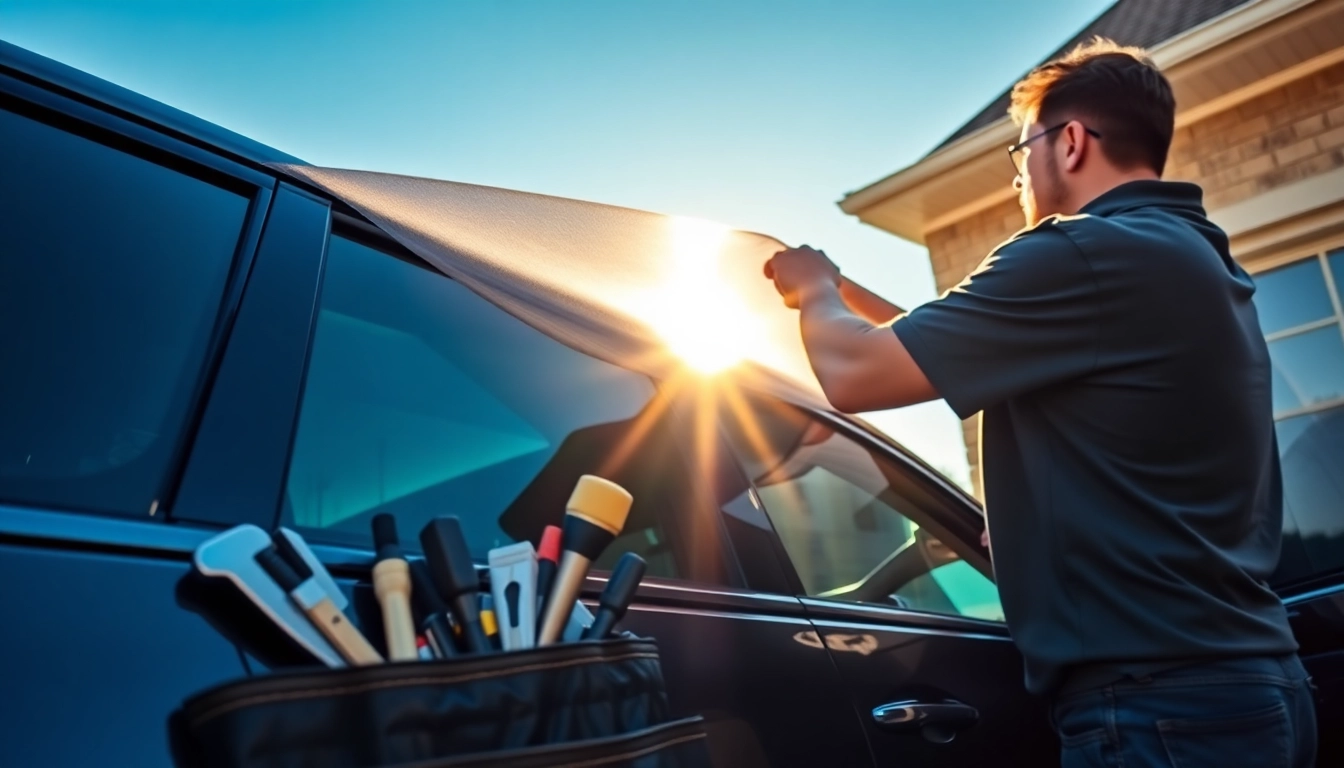
Window tinting involves applying a thin, transparent film to the windows of a vehicle, which can be made from various materials and designed to reduce sunlight, enhance privacy, and improve aesthetic appeal. This process can significantly alter the way a vehicle looks both on the outside and inside, providing a sleek, stylish appearance while serving practical purposes. The film typically consists of multiple layers that may include a scratch-resistant coating, an adhesive, and the tint itself, making it essential to select high-quality products for optimal performance.
Benefits of Window Tint Chattanooga
Opting for window tint Chattanooga delivers an array of benefits that enhance both the driving experience and vehicle longevity. Some of the primary advantages include:
- Heat Reduction: Tinted windows can significantly decrease the amount of heat entering your vehicle on hot days, resulting in a more comfortable driving environment.
- UV Protection: By filtering out harmful ultraviolet rays, window tinting protects not only your skin but also the car's interior from fading and cracking over time.
- Privacy: Tinted windows offer increased privacy for you and your passengers, deterring potential theft and prying eyes.
- Glare Reduction: Window tint can minimize glare from the sun and headlights, enhancing visibility and safety while driving.
- Enhanced Aesthetics: A sleek, tinted appearance can elevate the visual appeal of your vehicle.
Types of Window Tint Films
When installing window tint, several types of films are available, each offering distinct properties and benefits. Understanding these options is crucial in making an informed choice:
- Dyed Window Film: This economical option uses dyed polyester to absorb solar heat, providing a straightforward solution for enhancing privacy and aesthetics, but it offers minimal UV protection.
- Metalized Window Film: This type contains tiny metallic particles that reflect heat and UV rays. It offers better durability and heat control compared to dyed films, but might interfere with radio and GPS signals.
- Ceramic Window Film: A premium option, ceramic films provide excellent heat rejection without interfering with signals. They are also durable and resistant to fading.
- Carbon Window Film: This film offers UV protection and a matte finish that doesn’t fade, making it an excellent choice for aesthetics and performance.
- Crystalline Film: Engineered with multiple layers, crystalline films provide superior UV protection and heat rejection without darkening the windows significantly.
Choosing the Right Window Tint for Your Vehicle
Factors to Consider for Window Tint Chattanooga
Selecting the right window tint involves several important factors tailored to your needs and preferences:
- Purpose of Tinting: Determine whether you prioritize privacy, heat reduction, UV protection, or aesthetics.
- Local Climate: Consider Chattanooga's climate; residents may benefit from heat-resistant films during summer months.
- Vehicle Type: Different vehicles may require specific tints or installation methods. Understanding your vehicle’s needs can enhance the effectiveness of the tint.
- Personal Regulations: Local laws regarding tint darkness and reflectivity can influence your choice and ensure compliance.
Legal Regulations in Tennessee
Understanding legal regulations is crucial when it comes to window tinting in Tennessee. The state enforces specific guidelines on the allowed level of tint darkness:
- Front Windshield: Non-reflective tint is permitted above the manufacturer's AS-1 line.
- Front Side Windows: Must allow more than 35% visible light.
- Back Side Windows: No limits on darkness, but reflectivity should not exceed 20%.
- Rear Window: Similar rules as for back side windows apply. Always verify state-specific regulations to avoid fines.
What to Look for in Quality Tint Film
Investing in quality tint film protects your vehicle and enhances its appearance. When selecting a film, consider the following:
- UV Protection: Look for films that block at least 99% of UV rays to protect your skin and car’s interior.
- Heat Rejection: Choose films with high heat rejection ratings to keep your vehicle cool.
- Warranty: Opt for films that come with a warranty to protect your investment.
- Certifications: Ensure the film meets federal and state standards regarding safety and performance.
- Brand Reputation: Investigate manufacturers to ensure you're purchasing a product with proven performance and customer satisfaction.
DIY vs. Professional Installation
Pros and Cons of DIY Window Tinting
When considering window tinting, you might be tempted to tackle the project yourself. Weigh the pros and cons before making a decision:
Pros:
- Cost Savings: DIY installations may save on labor costs.
- Flexibility: You can work on your schedule without waiting for an appointment.
- Personal Satisfaction: Successfully completing a project can be rewarding.
Cons:
- Skill Level: Poor installation can lead to bubbles, peeling, or premature fading.
- Time-Consuming: Proper installation takes time and requires careful attention to detail.
- No Warranty: DIY installs often lack guarantees, making repairs or replacements costly.
Identifying Quality Professionals in Chattanooga
If you prefer professional installation, finding a trustworthy service in Chattanooga is crucial. Here’s what to look for:
- Reviews and Testimonials: search for customer feedback on various platforms to gauge the professionalism and quality of work.
- Experience: Consider the years of experience the company has in the field, especially with your specific vehicle model.
- Portfolio: Ask to see examples of previous installations to determine quality.
- Certifications: Ensure that the installers are certified and trained in window film application techniques.
- Warranty: Look for a warranty on the installation for guaranteed quality and hassle-free repairs.
Importance of Warranty and Guarantees
A warranty is a critical aspect of any window tinting job. It covers any potential issues that may arise after installation, such as bubbling, peeling, or fading. A company that offers a solid warranty demonstrates confidence in their services and product quality. Typical warranty durations can range from a few years to lifetime coverage, depending on the type of film and installation care. Ensure you thoroughly read and understand the warranty terms before proceeding.
Maintenance Tips for Window Tint Chattanooga
Cleaning and Care for Tinted Windows
Maintaining your tinted windows is essential for preserving their look and longevity. Follow these cleaning tips:
- Use Gentle Cleanser: Opt for a pH-balanced, ammonia-free cleaner to avoid degrading the tint.
- Soft Cloth: Employ a microfiber cloth to prevent scratching the film’s surface.
- Avoid Abrasive Materials: Never use steel wool or other rough materials that can damage the tint.
- Proper Technique: Clean gently and in a circular motion to avoid streaks and maintain clarity.
Common Issues and How to Address Them
Though maintaining tinted windows is straightforward, issues may arise. Here are common problems and solutions:
- Bubbles: If bubbles appear, allow the film to cure and if they persist, consult a professional for potential reinstallation.
- Peeling: If the edges start to peel, use a sprinkle of water to reattach and press down firmly but seek professional help for extensive damage.
- Fading: If fading occurs, this may indicate poor film quality or installation. Evaluate your warranty and consider replacement.
Longevity of Window Tint Films
The longevity of window tint films depends on several factors, including the quality of the film, installation technique, and environmental exposure. Most quality window tints can last anywhere from 5 to 15 years. Premium options, like ceramic films, may last even longer due to their superior resistance to fading and degradation. Regular maintenance and using vehicles primarily in moderate climates can further extend the life of tinted windows.
Frequently Asked Questions
How long does window tint installation take?
Typically, the installation can be completed within a few hours, depending on the number of windows and tint type.
Are there any health benefits to window tint?
Yes, window tint can block harmful UV rays, reducing skin exposure and potential skin damage.
Can I remove window tint myself?
While DIY removal is possible, it's recommended to hire professionals to avoid damage to window surfaces.
How can I choose a reputable tinting service?
Look for reviews, ask for recommendations, and confirm that they offer warranties on their work.
Does window tint affect visibility at night?
High-quality window tints are designed to maintain visibility at night while still providing privacy during the day.